
Empowering Mental Health: A Free Guide to Transformative rTMS Therapy

Start Here

The First Centre in the North West for TMS
Call Us: 0800 193 0914

Tranquil rTMS Accreditations
Hope in mental health – TMS for bipolar depression, Katie's story

For many people living with depression, anxiety or OCD, the journey to feeling well can stretch on for years: a long process of trying one medication after another, hoping the next one will finally be the answer. But there is a treatment far fewer people have heard of, one that works differently to medication and … Read more
Is TMS safe – Mental Health Awareness Week TMS therapy

Is TMS safe? It’s the question we’re asked most often, and one we answered live on air during Mental Health Awareness Week 2026 (11–17 May), whose theme, set by the Mental Health Foundation, was Action. Awareness has come a long way. Most of us now feel more comfortable saying the words “depression” or “anxiety” out … Read more

Antidepressant tablets – treatment-resistant depression

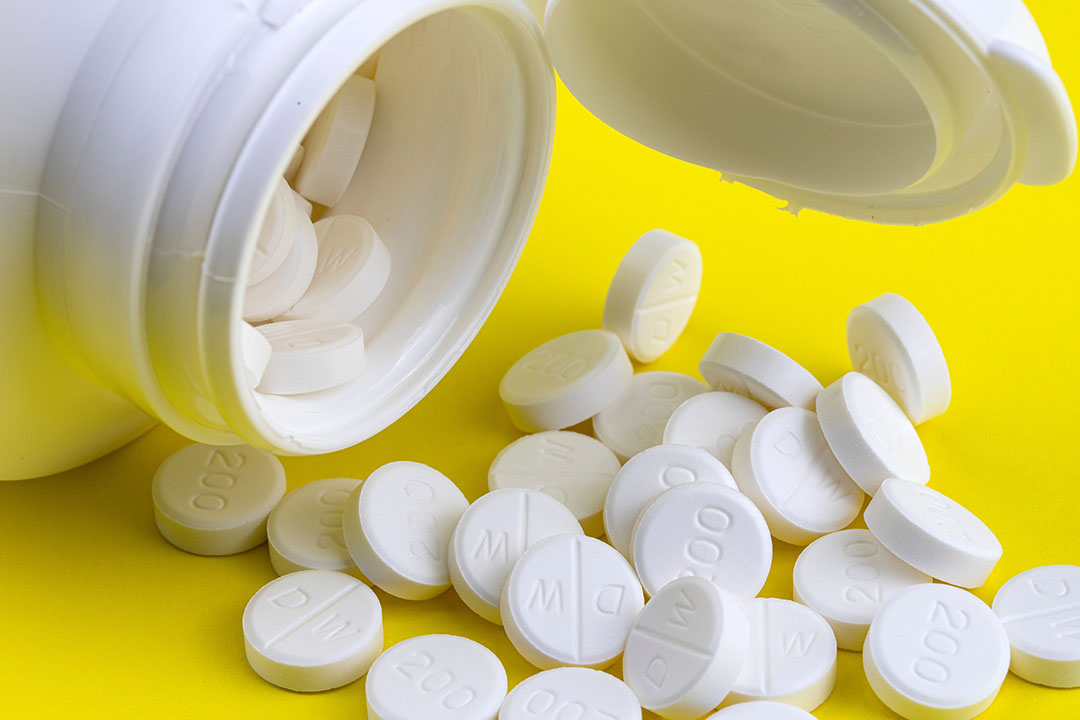
You’ve tried antidepressants. Perhaps more than once. Perhaps several different ones, at different doses, over months or years. And yet here you are, still struggling. Still not feeling like yourself. If this sounds familiar, you may be living with treatment-resistant depression. There is a clinical explanation for it, and there are evidence-based next steps. This … Read more

What is rTMS – treatment for depression

If you’ve been searching for alternatives to antidepressants, or your GP has mentioned TMS and you’re not quite sure what it involves, this guide is for you. We’ve written it to answer “what is rTMS?” clearly, honestly and without jargon, so you can decide whether it’s something worth exploring. What is rTMS? rTMS stands for … Read more

Person feeling low – alternatives to antidepressants

You’ve taken the tablets. You’ve waited the weeks they told you to wait. You’ve gone back to your GP, tried a higher dose, maybe even switched to a different one entirely. And still something feels wrong. You’re not better. You might not even feel like yourself. If this sounds familiar, you are not alone, and … Read more

Patient relaxing – what does TMS feel like

The First Steps: Walking Through the Door You’re heading towards the building for new treatment. Already, you’ve tried medications, maybe therapy, maybe nothing has worked the way you hoped. You’ve read about TMS (also known as rTMS — repetitive transcranial magnetic stimulation), but a stream of questions runs through your mind: What does TMS feel … Read more

pexels hazardos 1535244 scaled

After three decades in psychiatry, we thought we understood depression’s boundaries. We prescribed medications. We recommended therapy. We watched some patients flourish while others remained trapped in cycles we couldn’t break. Then we discovered  Repetitive Transcranial Magnetic Stimulation. Depression affects the brain’s wiring in ways that go far beyond temporary sadness. The neuropathological reality involves … Read more

aliko sunawang Ikb80VsN3Nw unsplash

Introduction to rTMS: A Path to Healing The journey to mental well-being can sometimes feel like trying to find light in a fog. You’re determined to feel more like yourself, free from the shadows of anxiety, OCD or depression. This is where the rTMS treatment steps in as a beacon of hope. rTMS, or repetitive … Read more

Treatment Session

Why Mental Health Solutions Are Evolving In recent years, mental health has become a central focus in public health conversations—and rightly so. With growing awareness, more people are seeking help for conditions like depression, anxiety, PTSD, and OCD. However, not everyone responds to traditional treatments like medication and talking therapy. This has created a demand … Read more

Sad Face

The clocks have gone back, evenings are darker and temperatures have dropped, cue Seasonal Affective Disorder (SAD): a type of depression that typically arises as we head into frostier climes. SAD is also called ‘winter depression’. Around a third of people in the UK suffer from SAD, with symptoms most severe during December, January and … Read more