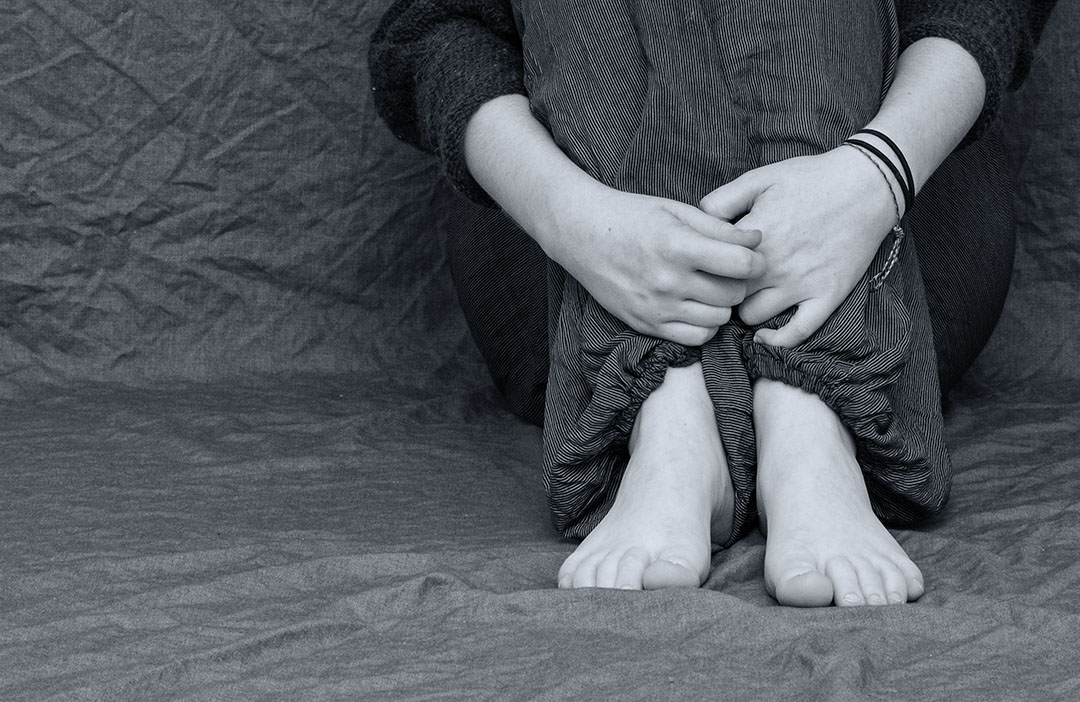
The First Steps: Walking Through the Door
You’re heading towards the building for new treatment. Already, you’ve tried medications, maybe therapy, maybe nothing has worked the way you hoped. You’ve read about TMS (also known as rTMS — repetitive transcranial magnetic stimulation), but a stream of questions runs through your mind: What does TMS feel like? Will it hurt? Will I leave changed, tired, numb?
The doors of Tranquil TMS come into view — not just a clinic, but a doorway filled with hope. You half-expect the sterility of a hospital ward, but instead you’re met with warmth — a team who understand this moment matters.
This is where your journey toward a calmer, stronger you begins.
Settling In: From Fear to Familiar
You’re guided to a comfortable reclining chair — more like a spa lounge than a clinic seat. A small, curved magnetic coil, surprisingly unthreatening, is gently placed against your scalp. No needles. No sedation. No anaesthetic. Just you, fully awake and in full control.
Your stomach flutters with anticipation, butterflies beating in time with the machine’s first clicks. Then it begins: a series of gentle taps against your head.
If you’ve ever heard a distant woodpecker on a tree trunk or felt raindrops tapping a window, you’ll know the sensation. Not painful — just present. A pulse, a rhythm, a reminder that something is happening in your brain that has never happened before.
This is TMS.
So, Does It Hurt?
It’s the first question everyone asks. For most people, the honest answer is no.
Most people describe TMS as “odd but comfortable.” At worst, the first few minutes may feel like mild scalp tapping or tingling. Some compare it to the snap of a rubber band, others to a gentle drumbeat under the skin.
Occasionally, a dull headache follows the first session. But it usually fades quickly and responds to something as simple as paracetamol. Seizures are very rare, and everyone is screened carefully before treatment. NICE guidance found no major safety concerns with rTMS for depression.
What you won’t feel is sedation. TMS isn’t associated with memory loss or grogginess, and it doesn’t cause the body-wide side effects of medication. In fact, many patients stand up from their chair refreshed — ready to drive home, return to work, or simply continue their day.
Inside the Session: A Different Kind of Healing
The coil clicks rhythmically — like the metronome of a piano — sending precise magnetic pulses to the regions of your brain linked to mood, focus, and emotional balance.
You sit back and breathe.
Some patients close their eyes and drift into quiet thought. Others chat with the technician or listen to music. You remain fully alert. No fog. No drifting. Just a subtle reminder, tap by tap, that your brain is being gently nudged into healthier rhythms.
A typical session lasts 20–30 minutes (you can see each stage in our rTMS procedure guide). For those on the accelerated theta-burst protocol (FDA-approved), it’s just 3–4 minutes — the length of a single song on the radio.
By the time the machine powers down, you’ve done something extraordinary — and it hasn’t cost you sweat or strain.
After the Session: Walking Back Into Life
Here’s what surprises many first-time patients: there’s no recovery bay. No IV drip. No downtime.
You stand, stretch, and walk back out into the world. Some people notice a lightness, a boost of energy, even after their first few sessions. For others, change unfolds gradually over two to four weeks. In our published study, two in three patients responded to treatment and just over one in three reached remission, though results vary from person to person.
Unlike antidepressants, which can take months to settle and often bring side effects that disrupt daily life, TMS slips easily into your routine. You can drive home, pick up the kids, or head straight back to work. Life doesn’t pause for treatment — it carries on, often with a new sense of lightness and clarity.
“I am taking much less medication and have had no side effects. I was concerned TMS would aggravate my stress headaches, but on the contrary, they have now disappeared completely.” – Mrs PM, Patient testimonial
“I received 20 sessions for depression and watched my condition dramatically improve week by week, being virtually back to leading a normal, happy life as a working mother of three.” – Ms JT, Patient testimonial
These are the words of real patients, people who once searched “what does TMS feel like?” looking for reassurance after yet another wave of anxiety and hopelessness. You can read more on our testimonials page.
How TMS Feels Different From Other Treatments
- Compared to ECT: No anaesthetic, no hospital admission, no memory loss. TMS is gentle, outpatient, and non-invasive.
- Compared to antidepressants: No weight gain, no insomnia, no fatigue. TMS works directly on brain circuits, not body chemistry. If medication hasn’t worked for you, read about treatment-resistant depression.
- Compared to doing nothing: A chance at change — a path forward where one didn’t exist before.
For many patients, what TMS feels like is hope, made real.
The Science Behind the Sensation
That gentle tapping sensation? It’s the sound of your neurons responding to a carefully tuned magnetic pulse.
Each click of the coil creates a ripple of activity in your prefrontal cortex — the brain region often under active in depression and anxiety. Over time, these ripples strengthen connections, regulate mood pathways, and reignite parts of the brain dulled by stress and sadness.
Think of it like retuning a radio: moving from static to a clear signal, one adjustment at a time.
It’s science and sensation working in harmony, guiding you back to balance, clarity, and a steadier sense of self.
Closing Chapter: From Curiosity to Confidence
When you walk out of your first TMS session, the mystery is gone. The worry about pain, about “what it feels like,” gives way to something calmer, simpler: I can do this.
And that’s the beginning. Session by session, day by day, the rhythm of those magnetic taps becomes not just a treatment, but a steady drumbeat toward recovery — restoring life to what once felt like the fading pulse of your joy.
Life After TMS: A New Chapter
For many patients, finishing a course of TMS is like waking in a familiar room and seeing the curtains finally drawn back. The light feels different. Colours are sharper. The fog over everyday tasks — making breakfast, replying to an email, smiling at a loved one — begins to clear.
Life is still complex, sometimes cold, often confusing — but the burden you carried feels lighter. Patients describe it as “having space to breathe again” or “finally hearing my own voice instead of depression’s echo.”
Relationships shift. Conversations feel easier. Sleep improves. Hobbies long abandoned — painting, running, gardening — begin to call again.
Most importantly, hope returns. Not the vague hope that comes with a new prescription, but hope grounded in lived experience: “I feel different and I know change is possible.”
A Life Beyond the Clinic
We often remind our patients: TMS isn’t about creating someone new — it’s about rediscovering the person who’s been there all along. The one who laughed more freely, loved more openly, dreamed more vividly before depression, anxiety, or OCD took hold.
Life after TMS doesn’t feel like being “cured.” It feels like being restored. Like reclaiming chapters you thought were lost. Like hearing music in your mind where once there was only static.
For some, this means returning to work with renewed energy. For others, it means reconnecting with family or embracing parenthood without the shadow of postnatal depression. For many, it simply means waking up and feeling alive again.
Frequently asked questions: what does TMS feel like?
Does TMS hurt?
For most people, no. You feel a tapping sensation on the scalp, which some find mildly uncomfortable at first. This usually eases within the first few sessions.
Can I drive after TMS?
Yes. There is no sedation or anaesthetic, so you can usually drive straight after each session.
How soon will I feel results?
Some patients notice a lift after a few sessions, and many notice changes within two to four weeks. Results vary from person to person.
Is TMS safe for everyone?
TMS is suitable for most people, but those with metal implants near the head, certain implanted devices or poorly controlled epilepsy may not be suitable. Everyone is screened before treatment.
What is the difference between TMS and rTMS?
TMS stands for transcranial magnetic stimulation. rTMS means repetitive TMS, the standard form used in clinics, where pulses are repeated over a course of sessions. The two terms are used interchangeably.
Take the First Step
Want to feel fully alive again? At Tranquil TMS, we offer a free 20-minute phone consultation with a Consultant Psychiatrist. You can ask every question, express every worry, and discover if TMS is right for you.
If you are in crisis or having thoughts of harming yourself, please don’t wait for an appointment. Call 999, contact NHS 111 (choose the mental health option), or call Samaritans free on 116 123, day or night.
This article was written by the Tranquil TMS team. Tranquil TMS is a CQC-registered clinic in Cheadle, led by Senior Consultant Psychiatrists Dr Nikhila Deshpande and Dr Babu Nayar. Individual results vary.

Call us on 0800 193 0914 — Monday to Friday, 9am–7pm
Or complete our contact form and we’ll call you back.